



Daily maintenance guide for steel office furniture (2)
Click:
Time:2026-03-11 15:59:03
Detailed Maintenance: Focus on Accessories to Extend Service Life
The hardware accessories (hinges, locks, casters, etc.) of steel furniture directly affect the user experience and require regular, targeted maintenance.
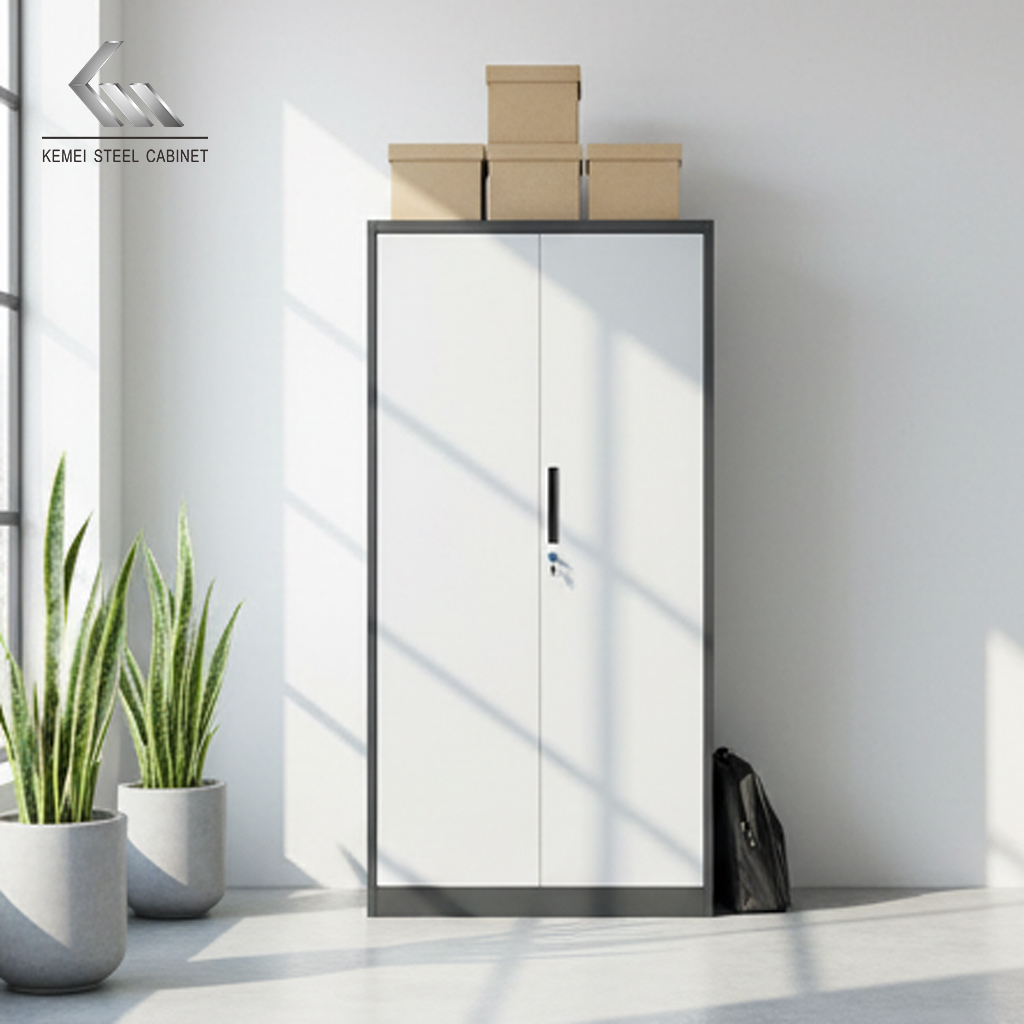
Hinge and Caster Maintenance
For filing cabinets and lockers with doors, apply a small amount of lubricating oil (such as sewing machine oil or special hardware lubricant) to the hinge pivots quarterly to reduce friction noise during opening and closing and prevent rusting and jamming. For pulleys in sliding steel cabinets, regularly clean dust and debris from the tracks to keep them clear. If a caster becomes stuck, check for deformation or obstruction by foreign objects; replace it with the same model if necessary.
Lock Maintenance
The lock cylinder is a wear-prone component. If the key is difficult to insert or remove, add a small amount of graphite powder (do not add lubricating oil, as this will attract dust and clog the cylinder) to improve the smoothness of key insertion and removal. Avoid forcefully turning the key or prying the lock with foreign objects to prevent damage to the lock cylinder. If the key is lost, contact the brand supplier to make an original key; using non-original parts is not recommended.
Shelf and Load-Bearing Maintenance
Steel filing cabinets and storage cabinets have fixed load-bearing capacities for their shelves. When placing items, distribute the weight evenly to avoid overloading one side and causing shelf deformation or loosening of the supports. If a shelf sags, adjust the support position or replace it with a stronger support component.
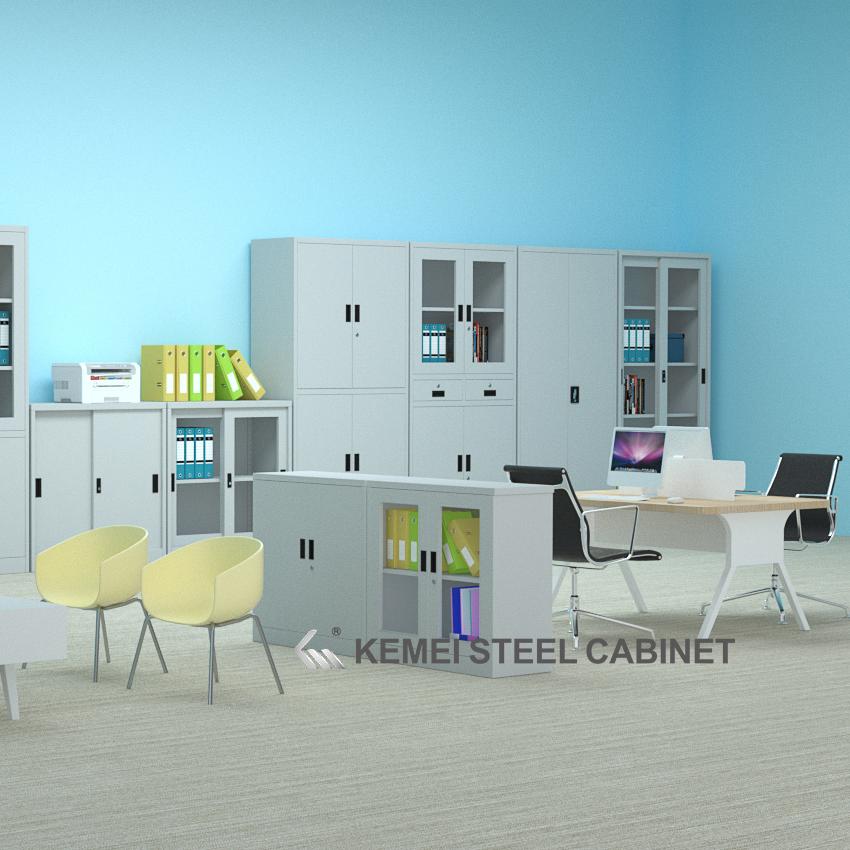
Special Scenario Maintenance: Targeted Solutions to Usage Problems
Special Environments such as Laboratories and Workshops
If steel furniture is used in laboratories or workshops, avoid contact with acidic or alkaline solutions and sharp tools. If it comes into contact with corrosive liquids, immediately rinse the surface with clean water and then dry it with a clean cloth. When placing sharp objects, use cushioning pads to prevent scratches on the cabinet.
Maintenance for Long-Term Inactivity
If steel furniture needs to be left unused for an extended period, thoroughly clean the surface and interior, dry it, and close the cabinet doors. Place a desiccant or mothballs inside the cabinet to prevent moisture and insect infestation. At the same time, cover the entire piece with a dust cover to prevent dust accumulation.

点击右上角
分享给朋友吧







 Long by picture save/share

 Kitty
Kitty