



Maintenance tips for steel safe: extend service life and improve safety
Click:
Time:2024-11-07 11:35:52
1. Regular cleaning and maintenance
The surface of steel safes is prone to accumulate dust and dirt. It is recommended to clean the surface regularly:
- Use a soft dry or slightly damp cloth: wipe the surface and avoid using detergents containing acidic or alkaline ingredients to avoid corrosion to the steel.
- Prevent contact with chemicals: avoid contact with chemicals such as paint, cosmetics, pesticides, etc., which will accelerate the aging of steel.
2. Control the humidity of the use environment
Steel may rust if it is in a humid environment for a long time, so it is very important to keep the environment around the safe dry:
- Avoid placing it in a humid place: Try not to place the safe in a humid area such as the bathroom or kitchen, and choose a well-ventilated room.
- Replace the desiccant regularly: Place a desiccant or activated carbon bag to absorb moisture in the air.
- Check the inner wall of the safe in time: If you find water vapor on the inner wall, wipe it dry in time to prevent the internal items from getting damp.
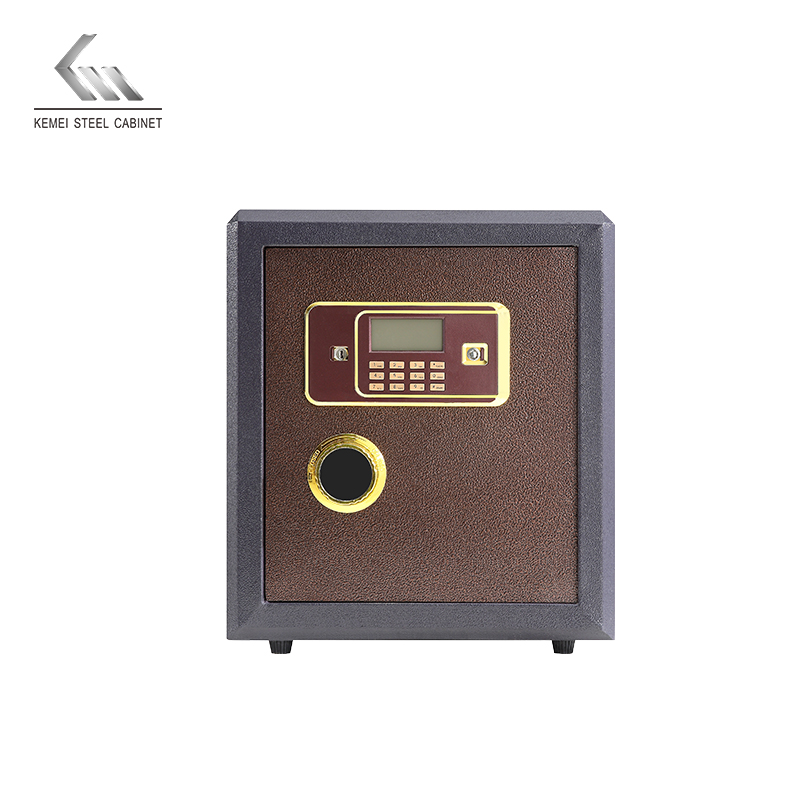
3. Check the locks and electronic systems regularly
The core of steel safes lies in the security of the locks, especially safes with electronic combination locks, which need regular inspections:
- Oil during mechanical locking: If it is a traditional mechanical lock, it is recommended to add a small amount of lubricating oil regularly to keep the rotation smooth.
- Replace the battery of the electronic lock: Electronic combination locks generally indicate that the battery is low. Check the battery regularly to avoid difficulty in unlocking due to exhaustion.
- Check the alarm function: Some safes have an alarm function. Ensure that the alarm device operates normally to increase safety.
4. Avoid overloading
Although steel safes have a large storage capacity, long-term overloading with heavy objects will put pressure on the structure of the safe:
- Follow the load guide: Store items according to the maximum load in the product description, and avoid storing too many or too heavy items.
- Organize items in layers: Distribute items reasonably to avoid heavy objects being concentrated in one place to reduce pressure on the door and bottom.
5. Check the door gap and hinges regularly
The door gap and hinges of the safe are important parts that affect the protection performance:
- Check the hinge status: Hinges wear may affect the tightness and anti-theft effect of the door, and replace the hinges if necessary.
- Clean the door gap: Dust easily accumulates in the door gap, keep the door gap clean to avoid affecting the sealing effect.
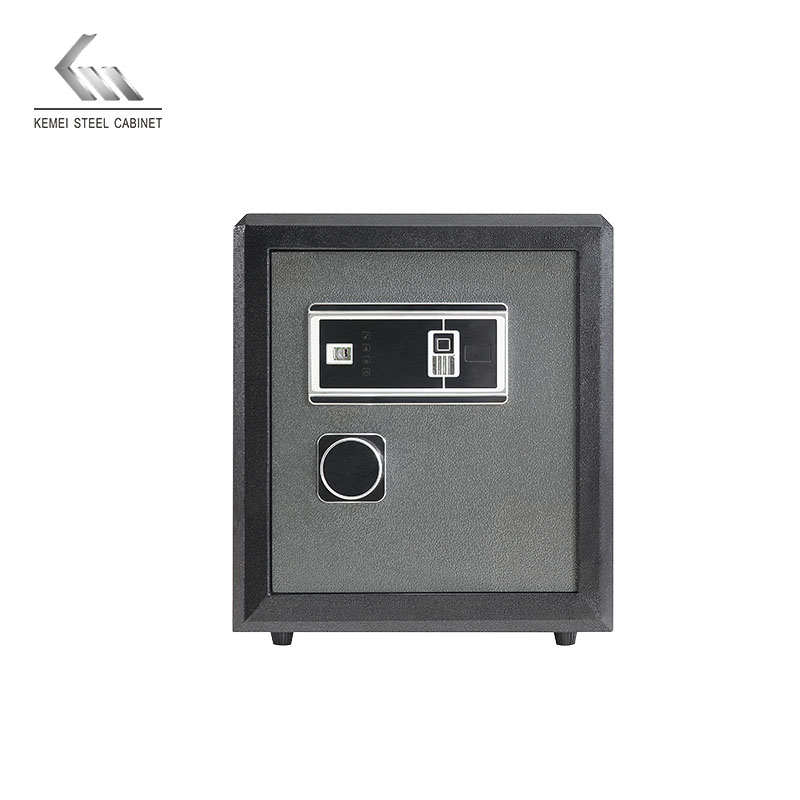
6. Correct operation and maintenance
Pay attention to the opening and closing methods of the safe at ordinary times, and avoid rough use:
- Open and close gently: Excessive force will affect the life of the door lock and bolt.
- Check the bolt regularly: Make sure the bolt is not damaged. If it is stuck or damaged, it should be repaired or replaced in time.
As a valuable equipment for long-term use, regular maintenance is essential for steel safes. With the above tips, you can better maintain the steel safe to ensure its protection performance and service life.

点击右上角
分享给朋友吧







 Long by picture save/share

 Kitty
Kitty